Buyers

The Home Buying Process

While the homebuying process can seem intimidating, once you know what to expect it is actually pretty simple. Knowing what to expect before you begin the process can lessen some of the anxiety associated with it for you, and can also educate you should any issues come up during the process.

Because we want to help you be successful in your home search, we’ve written this step-by-step guide to the home-buying process. Follow these steps to enter your home search prepared and ready to make an offer on your dream home.

New England harbor with moored boats, waterfront homes, and pink flowers in the foreground.

Step 1: Check your Credit

Before even contacting a lender or an agent, it is smart to check your credit report to see what your options are. You can get one free credit report a year, and this will determine what the interest rate on your mortgage will be, along with what kind of loans you can apply for. A good rule of thumb is that a good credit score is 720 or above, while the minimum to secure a loan through FHA is 580 or over.


Large blue-and-white home with a covered porch, stone chimney, and flower-filled rock garden.

Step 2: Decide on a Budget

It is important to find out how much you are willing to pay. Make sure to include mortgage payments into your budgeting, because even if you qualify for an expensive house you will probably not want that high a payment for the long term. Doing things like using a mortgage affordability calculator and researching the housing market so that you can think of a concrete number that will be affordable for you.

Living room with white sofas, a white fireplace, glass coffee table and cream accent chairs.

Step 3: Find an Agent

It is very important that you trust your agent, because they will be your lifeline through the home buying process. Check reviews online or ask your friends and family for a referral, and make sure to ask a lot of questions and meet with a few candidates so you can find out your best fit.

Residential homes behind white picket fences, with landscaped lawns and a clear blue sky.

Step 4: Get Pre-Approved

Getting pre-approved for a loan could make you more likely to get your offer accepted down the line. In pre-approval, a lender will pull your credit information and then give you a letter stating how much they would be willing to lend you. This gives the sellers some confidence in you because they know for sure that you will be able to afford their home. Take a look at standard home loan options here.

Gray shingle house with steep gables, framed by trees and a row of white hydrangeas.

Step 5: Start Looking at Homes

By now, since you’ve done all of your financial prep and talked to an agent, you probably have a pretty good idea of what kind of house you would like and in what area. Your agent can also help you greatly here, as they will have a good knowledge of properties coming on the market and homes like the ones you are looking for.

A red-and-white lighthouse stands on a green coastal point beside a rocky shore and curving beach.

Step 6: Make an Offer

Once you’ve found a home that you are excited about, your agent will help you decide on an offer based on the listing price of the property. Your agent will understand how to craft your offer, based on the current market, whether there will need to be contingencies, or whether you need an inspection.

Sailboats and yachts moored in a coastal harbor beside a tree-lined shore.

Step 7: Home Inspection

This is an important day for negotiating, if your offer requires it. If the inspector finds any unseen defects, you can take them to the seller for bargaining power. Also, this is a good time to measure things in the house, because it is the last time you will be able to be inside before closing.

Foyer with a sweeping dark-wood staircase, white balusters, and a flower-topped table.

Step 8: Get Insurance and Utilities

If you have owned a home already, you will only have to call your insurance agent and let them know you’re buying a new home. But, if this is your first home, you will need to get homeowner’s insurance. Lenders require insurance, and it is a critical part of protecting your investment. You will also want to make sure you have utilities set up for your move-in date, because you will not want to arrive, ready to move in, only to find that you have no electricity.

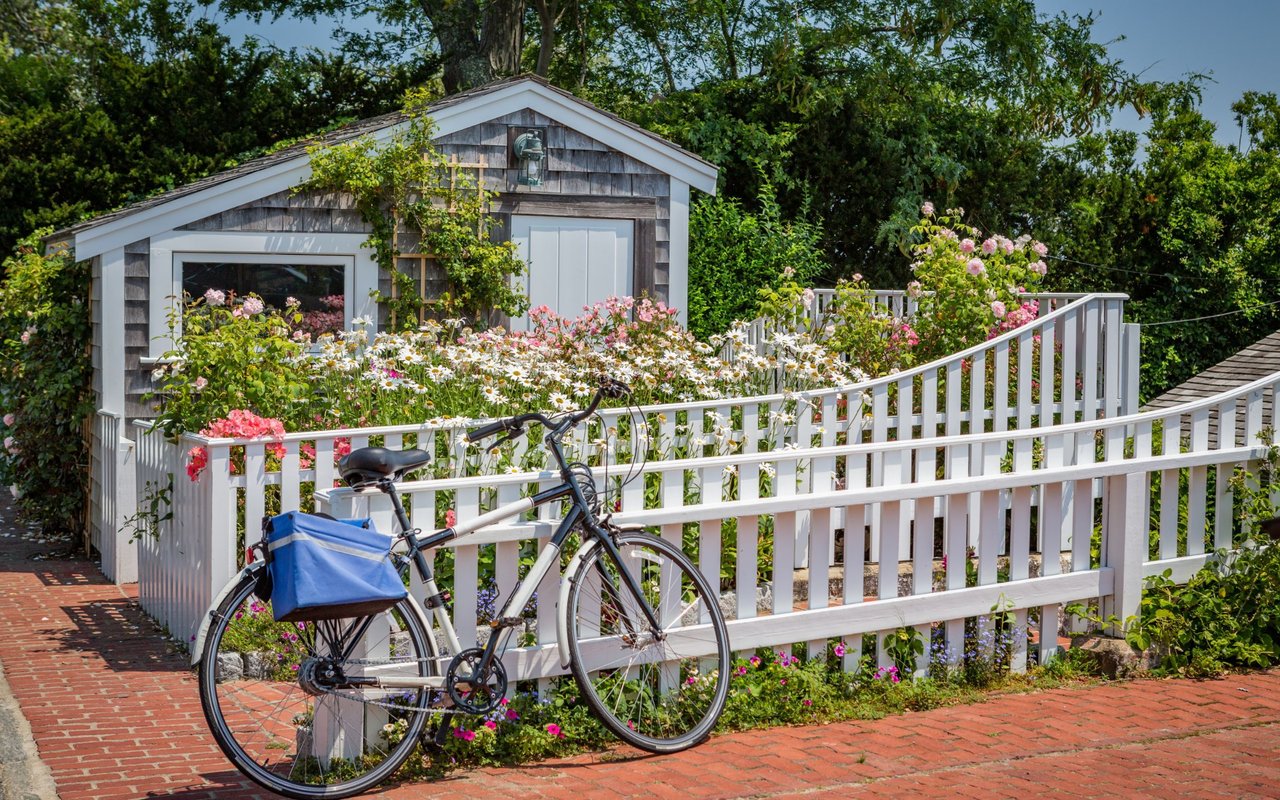
Gray garden shed behind a flower-filled white fence, with a bicycle beside the brick path.

Step 9: Close on Your Home

This is arguably the most important day in the process, and you will need your agent with you to help. At closing, you will read and sign all of the papers and policies that go along with officially owning your home, and you will want your agent there to make sure everything goes smoothly and that everything us how it should be for you.

Coastal homes above a sandy beach, with shingle siding, coastal shrubs, and tall pine trees.

Step 10: Move In!

You have officially reached the finish line by step 10! Your contract will specify the exact date that you can move in, and after that you can officially make your new house into a home. Now that you’re settled in, let’s look at the benefits of owning a home.

Moves to Brighter Futures

Crafting custom strategies that lead to lasting success across Massachusetts and Rhode Island—every client, every goal, every move handled with care, expertise, and purpose.